One of my children’s book illustration students (Rocky Mountain College of Art + Design) just asked me to explain what I meant by “narrative.” Here is the explanation I gave her and something I thought worth sharing.
By narrative, I mean “tells a story.” In children’s book, we are looking for illustrations with characters who are engaging with each other and their world and creating a compelling plot that guides the viewer (reader) through a storyline.
A few ways to show narrative in an illustration are:
-Eye connection. Check to see if your characters are making eye contact or looking at objects within the scene that clue the viewer into what is going on. This is also helpful for composition. Eye directions tells the viewer where they should look first, second, and so on. Hand gestures operate in much the same way.

-Movement. What is the action that is taking place in the scene? How is this supporting the story? What moment are you depicting? For example, the difference between Goldilocks observing Baby Bear’s chair vs. Goldilocks sitting on and breaking Baby Bear’s chair tells us a lot about that story plot point. And choosing the moment of action is more narrative (storytelling) than a static “before the action” moment.
-Physical engagement. Hugging a teddybear, hanging on tightly to the mane of a horse while riding bareback, swinging from one trapeze chimpanzee to the next… interactive touch and physical engagement adds to storytelling and brings us closer to your characters and how they are participating in the storyline and moving things forward.
-Expression. What emotion is the character experiencing in the scene? How are they responding to others and what is taking place? Avoid hiding the face or closing the eyes unless necessary for the story. Facial cues are key to how human’s process how others are feeling and how they should feel as well. If Goldilocks is placidly smiling as Baby Bear’s chair breaks beneath her, we are being told by the illustrator not to worry about the broken chair. If her face is contorted with shock or pain, we naturally engage with an empathetic feeling response to her unwelcome surprise.
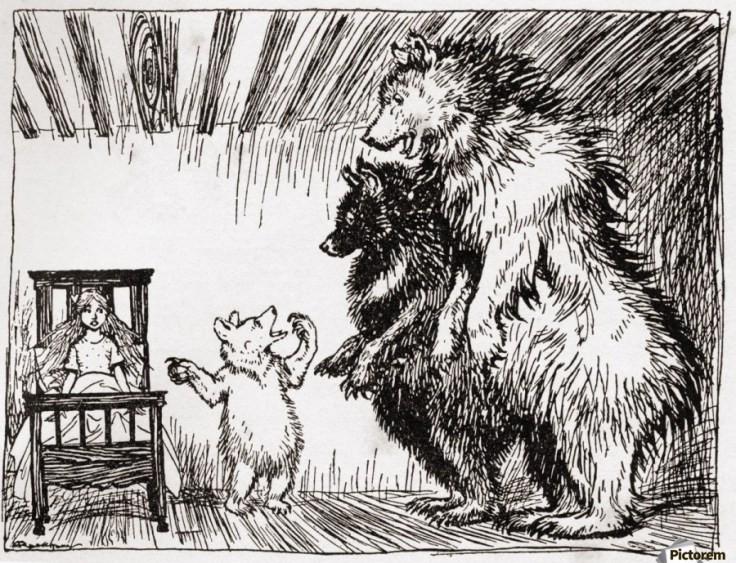
– Settings that support storytelling. A child smiling and hugging a teddy bear with no background sets a placid scene, but if the child is alone in the middle of a dark forest surrounded by glowing eyes and tree branches that look like claws, we’re going to know this child is in trouble (or is the trouble) and recognize a larger story at play.
I hope that helps to clarify the meaning of narrative illustration.
Is there anything you would add to this description? What visual elements do you find most effective for communicating the story in illustration?
Kaz
 The Kaz Windness Blog
Leave a comment